
Quarter 1 2019
Our market commentary has taken a slight change in
direction, as we will now be producing a quarterly update, looking back at some
of the political, economic, technological and environmental events affecting
markets in the past three months. After the challenges and volatility we
witnessed in the last quarter of 2018, let’s take a look at some events of Q1 affecting
markets around the world.
The new
year certainly started much like the end of 2018, after a very poor Q4. However,
early volatility settled to an extent and equity markets have rebounded
across the board.
UK equities rallied in line with global equities, against an undeniably
uncertain political and economic outlook. The fears that drove the market lower
in Q4, seem to have been somewhat alleviated.
Figures from the ONS
show UK labour productivity has modestly increased. In the fourth quarter of
2018, it fell by 0.1% compared to the previous year, productivity is estimated
to have grown by 0.3%. UK Gross Domestic Product (GDP) grew by 0.2% in the
three months to January 2019, but remains weak, growing by 0.5% in January. The
ONS
largely attributing this to falls in the manufacture of metal products, cars
and construction.
Brexit
You’re probably sick of it, but events have been astonishing
recently, to say the least. In January, Theresa May warned the UK faced “uncharted
territory” if Parliament rejected her deal; little did she realise how many
times it would be rejected and quite how unchartered that territory would be. The
bare facts to-date, without speculation, are:
- 23rd June 2016, the referendum was held
- 29th March 2017, the Prime Minister
formally triggered Article 50 and began the two-year countdown to Brexit - 14th March 2019, following a House of
Commons vote on 14th March 2019, the Government sought permission
from the EU to extend Article 50 and agree to a later Brexit date - 20th March 2019, the Prime Minister
wrote to Donald Tusk, asking to extend Article 50 until 30 June 2019. - 21st March, EU27 leaders agreed to
grant an extension comprising two possible dates: 22nd May 2019,
should the Withdrawal Agreement gain approval from MPs; or 12th
April 2019, should the Withdrawal Agreement not be approved by the House of
Commons - 29th March 2019, the UK had long been
expected to leave the EU at 11 pm - 2nd April 2019, the Prime Minister
announced she will seek a further extension to the Article 50 process and
offers to meet the Leader of the Opposition to agree a deal that can win the
support of MPs
One really important point that seems to get perpetually
lost in the debate; the EU is neither stable in its construct nor the finished
article. Its future as a single entity is further complicated by the single
currency, backed by the European Central Bank, which itself has considerable
hurdles to overcome.
Leaving the EU might not look like its current construct in
a few years’ time, but that’s about all we can assume. In any circumstance,
repercussions have already been felt, some directly attributed to Brexit,
others speculatively and some businesses using it as a scapegoat for other
failings.
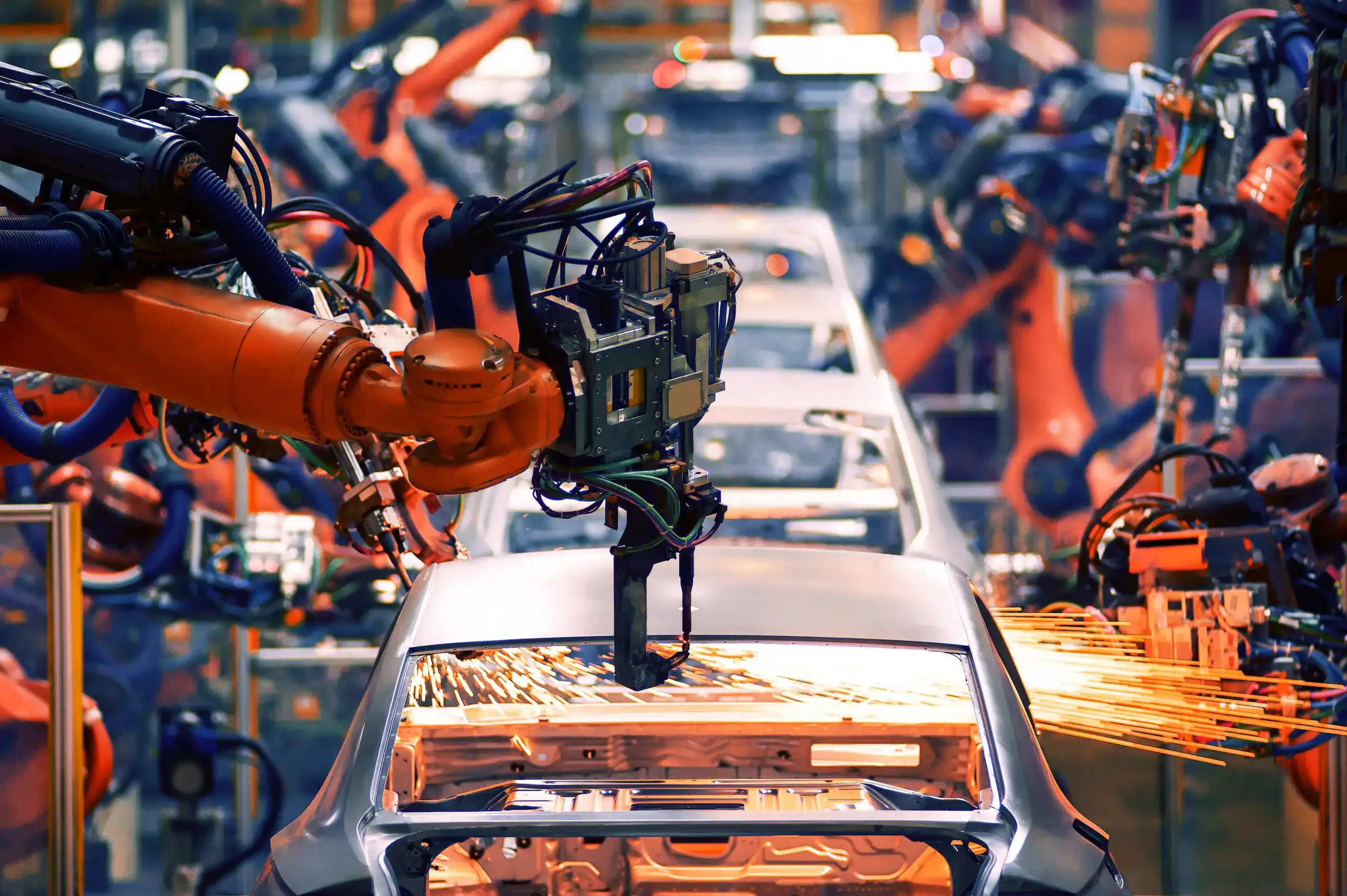
The automotive industry has been especially affected, which
could be particularly damaging for local economies:
- Jaguar Land Rover confirmed 4,500 job cuts and the
shift of some production to Slovakia - Ford is axing 400 jobs at their plant in
Bridgend - Nissan is no longer building the X-Trail in Sunderland,
as originally intended - Porsche warned of a possible 10% surcharge on
all new vehicles post-Brexit
James Dyson, one of the UK’s biggest success stories and leading
Brexiteer, also announced he will be moving Dyson headquarters to Singapore,
citing tax breaks and a UK skills shortage amongst his reasoning.
High street woes
More visible across the UK in Q1 is the continued downturn of the high street.
There are localised attempts to re-energise or repurpose traditional retail
space, but in February we lost national giants Toys R Us and Maplin with around
4,500 jobs.
Sports Direct tycoon Mike Ashley has been making a few headlines,
but is he the saviour of the high street? Ashley’s portfolio already includes
several sportswear brands, lingerie business Agent Provocateur, fashion
retailer Flannels and significant shareholdings in French Connection and
Debenhams.
In late 2018, House of Fraser and Evans Cycles joined the empire
with £90 million and £8 million takeovers respectively. And Ashley has been circling
the struggling Debenhams, who secured a £20 million
bail-out at the 11th Hour but continue to struggle.
King of the department stores, John
Lewis, also felt the pinch. Profits were down 45% and the staff bonus declared
is at its lowest level since 1953 for the near 84,000 employees. It could have
been worse, however, as in January they warned the bonus could be wiped out altogether.
US
Across the pond, on 25th
January (and after 35 days) the Government finally reopened. The longest shut
down in history estimated to have cost the economy $11 billion thanks to lost
output and delayed spending after President Trump attempted to gain funding for
his big, beautiful wall.
Since, a ‘national emergency’ has been called in an attempt
to fund the project, and there has been threats
to shut Mexico’s border completely, amid a migration surge. The potential disruption
threatening trade worth billions more dollars.
overall, however, markets have steadily grown in Q1, thanks,
in part, to the Fed confirming in January it would adjust planned interest rate
hikes to compensate for slow economic growth after the Government shutdown. In
fact, throughout Q1, the Fed settled further into a dovish stance, as growth
was slower than predicted. By the end of the quarter, growth had dropped to a
cautious pace and predictions for inflation and expectations for interest rate
hikes followed.
By the end of March, US equities’ progress had dropped to a
far more cautious pace as investors balanced the Fed’s accommodative tone with
the broader implications for economic growth. As the quarter ended, the Fed
lowered its projections for US growth and inflation, and reduced its
expectations for interest rate hikes. The “dot plot” now shows no rate hikes
this year and only one in 2020. The adjusted growth outlook caused the Treasury
yield curve to invert – a signal historically associated with a
pre-recessionary environment.
International relations
Leader Kim Jong-un appears to be deepening his relations
with Russia, just weeks after US / North Korean talks broke down at the Hanoi
summit in February. Russia’s interior minister made a visit to Pyongyang,
sparking concern in the US that North Korea is attempting to build a
relationship with Moscow should tensions with Washington rise.
In March, Mueller delivered his report into possible Russian
interference in the 2016 election to Attorney General. Ultimately, finding no
evidence, it did not exonerate Mr Trump of obstruction of justice, despite his
public proclamation that the report was a “total exoneration” and
that “after three years of lies and smears and slander, the Russia hoax is
finally dead. The collusion delusion is over.”
Meanwhile, tensions in the ongoing US / China trade saga
softened in the new year, as Trump agreed to delay imposing the latest round of
tariffs following a series of seemingly productive meetings, positively impacting
markets and the wider global economy.
Muddying China’s relationship with several countries, the
world’s third largest phone supplier Huawei hit the headlines. First, over the
arrest of the founder’s daughter in Canada for extradition to the US. Then,
with US, Australia and New Zealand Governments blocking the use of Huawei to
provide the technology for their 5G networks, citing security concerns.
The firm’s founder, Ren Zhengfei, is a former People’s
Liberation Army officer so has close Government links. The apparent risk to
national security comes from China’s National Intelligence Law, which was
passed in 2017. It states that organisations must “support, co-operate
with and collaborate in national intelligence work.”
The UK has admitted to ‘strains’ in the relationship with the
tech firm and the National Cyber Security Centre, which is part of GCHQ, has
asked Huawei to fix problems that pose risk to the network.
Finally, to lighten the mood, let’s remind ourselves that the US president thanked Apple chief executive Tim
Cook, during a meeting at the White House to discuss technology, with; ”We
appreciate it very much, Tim Apple.”